By Colin Foster
Updated November 2026
Dorm closet organization ideas work best when they start with what you actually own and how often you reach for it. This guide walks through a simple process: sort, assign zones, add vertical storage, and use the door and floor space you may be ignoring. By the end, you will have a closet where daily clothes are easy to grab and off-season items stay out of the way.
Start by Sorting and Cutting Back
Pull everything out and sort it into three piles: wear weekly, wear occasionally, and not wearing this semester. Most dorm closets are too small to hold the third pile, so store those items in a under-bed bin or send them home. Keep only what fits your current schedule and climate. Dorm closets often shrink in practice because of extra shoes, duplicate jackets, and the laundry hamper that never got moved out.
Shopping for one? See our guide: 5 Best Yamazaki Home Magnetic Kitchen Organization Racks Compared (2026).
Divide the Closet into Zones
Once you have fewer items, assign each section of the closet a single job. A common layout for a standard reach-in closet looks like this:
- Left third: hanging space for everyday shirts and pants
- Middle third: dresses, jackets, and anything that needs to hang full length
- Right third: folded sweaters and bags on a shelf or bin
- Floor: shoes in a single row or a shoe rack, with a bin for bags and extras
Keeping zones consistent means you can find things with your eyes closed, which matters when a roommate is asleep.
Add Vertical and Door Storage
Use the Door
Over-the-door organizers with six to ten pockets hold socks, accessories, toiletries, and small electronics. Hang them on the inside of the closet door so the front stays clear. Measure the door thickness and height before you buy, since some organizers will not clear a hollow-core door handle. You may also like 4 Best Small Shared Closet Organization Ideas (2026): Our Picks.
Double the Hanging Space
A second tier rod, set about 40 inches from the floor for the upper rod and 80 inches for the lower one, nearly doubles hanging room in a standard closet. Tension rods can work in narrow closets but may sag under heavy coats. Check the weight rating listed by the manufacturer before loading them. A related read: 3 Best Small Bedroom Closet Organization Picks for Tight Spaces (2026).
Choose Bins and Labels That Match the Space
Clear or labeled bins work well on a shelf because you can see what is inside without pulling everything down. Pick bins that fit the shelf depth with at least half an inch to spare so they slide in and out easily. Label the front of each bin with a word, not just a color, so anyone sharing the closet knows where things belong. Stackable bins save shelf height but are harder to reach, so keep the most-used items on the top tier. Worth reading next: 5 Best Small Square Closet Organization Ideas for Tight Spaces (2026).
Common Mistakes
- Buying organizers before sorting. You may end up with bins for items you plan to discard.
- Overloading the top shelf. Heavy storage above head height is hard to reach safely.
- Using hangers of mixed widths. Matching hangers make the rod look neat and help clothes slide easily.
- Leaving the floor empty and the shelf full. Shoe racks and under-shelf baskets often free up more usable space.
- Skipping a monthly reset. A quick 10-minute check keeps the system from slipping back into a pile.
Recommended Gear
- Over-the-door organizer: Adds pocket storage without using shelf or floor space. View on Amazon
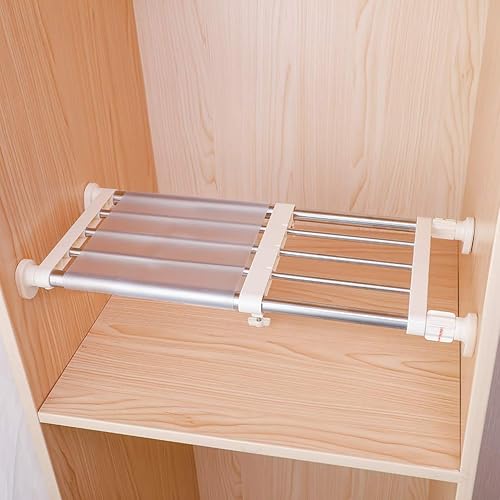
- Tiered closet shelf organizer: Creates a second hanging level for shirts and pants in a short-rod closet. View on Amazon
- Stackable fabric storage bins: Hold sweaters, extra linens, and off-season clothes on a shelf or under the bed. View on Amazon
FAQ
How much storage do I really need in a dorm closet?
Plan for one hanging section, one shelf or bin area, and a floor spot for shoes. If you cannot fit everything in those three areas, the solution is usually to store extras elsewhere rather than buy more organizers.
Can I use adhesive hooks in a dorm closet?
Many dorms restrict wall damage, so check your housing rules first. Adhesive hooks rated for the weight you plan to hang are a common workaround, but read the manufacturer’s weight limit and follow the surface preparation steps. You may also like Small Hallway Closet Organization: 7 Steps to a Clutter-Free Setup.
How often should I reorganize my dorm closet?
A quick reset every few weeks and a full sort at the start of each semester keeps things manageable. Schedule the full sort around the time you would normally change seasons or pack for breaks.
Conclusion
A workable dorm closet comes from sorting first, assigning zones, and using the door and vertical space. Start with one section this week and build from there. Small, consistent habits will keep the closet functional all semester.
Related reading
- Very Small Closet Organization Ideas: 8 Layouts That Add Real Space
- Pantry Closet Organization Ideas: 9 Setups That Work in Any Space
- Organization Ideas for a Small Closet: 8 Setups That Actually Work
Ready to choose one?
About Colin Foster
Colin Foster is part of our editorial team and reviews and edits our home organization guides, checking product details against manufacturer specifications and owner feedback.