By Colin Foster
Updated November 2026
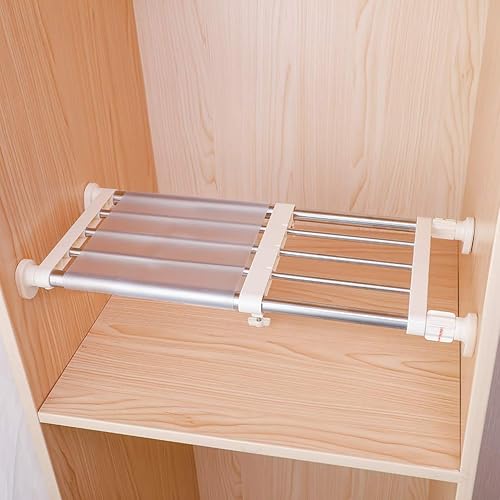
Closet organization hanging shelves add usable storage above or beside your clothes rod without a full remodel. This guide walks you through measuring your closet, choosing the right shelf type, mounting it securely and loading it so the shelves stay useful and the closet stays easy to reach.
Step 1: Measure the Closet Before You Buy
Start with the closet’s width, depth and the clear height above the rod. Measure the rod-to-ceiling distance at two or three points, since older closets are often slightly out of square. Most hanging shelf units need at least 12 inches of clearance above the rod for a standard shelf, and a 12-inch depth is usually enough for folded sweaters, bags and boxes. Write these numbers down before you shop.
Shopping for one? See our guide: Storage Bins 13 X 13: 5 Best Picks Compared for Closets and Shelves (2026).
Step 2: Pick the Right Shelf Style
Hanging shelves come in a few common types, and each suits a different closet:
- Wire or chrome shelf kits that hang from the rod or hook onto the wall are light, adjustable and work well in rentals.
- Solid wood or laminate shelves on rails or brackets handle heavier items like shoe boxes and linens.
- Over-the-rod shelves that clamp onto the rod are the least permanent, but they can sag under heavy loads.
If you store anything heavier than sweaters, favor brackets or rails that mount into studs. Check the manufacturer’s weight rating and treat it as a ceiling, not a target.
Step 3: Mount the Shelves Securely
Locate studs with a stud finder and mark their centers with painter’s tape. Drill pilot holes slightly smaller than your wall anchors or screws. Install a level shelf first, then add the others. Use at least two anchors per bracket for any shelf that will hold more than a few pounds. Hollow-wall anchors alone are not enough for loaded shelves, so anchor into studs whenever the layout allows.
Step 4: Load the Shelves by Weight and Frequency
Put heavy, rarely used items on the highest shelves and light, frequently used items at eye level. A practical split looks like this:
| Shelf position | Best contents |
|---|---|
| Top shelf | Off-season bins, spare bedding, luggage |
| Middle shelves | Folded knits, bags, daily-use boxes |
| Lowest shelf | Shoes, baskets of accessories |
Label bins on the front edge so you can scan the shelf without pulling everything down. Keep each shelf’s load under the rating, and spread weight evenly from side to side.
Tips and Common Mistakes
- Don’t hang shelves so low that they block the clothes or force hangers to bunch.
- Avoid stacking bins higher than about two-thirds of the shelf depth allows for reach.
- Recheck wall anchors after a few weeks of loading, since drywall can loosen under repeated weight.
- Leave a few inches of space between the top shelf and the ceiling for airflow and easy cleaning.
- Re-measure after any change in rod height before buying bins to fit.
Recommended gear
A stud finder makes it easier to anchor brackets into framing, which matters most for heavier loads. A basic spirit level keeps shelves from tilting and sliding items toward one end. Clear, stackable bins with front labels help you see contents at a glance on each shelf.
- Stud finder for locating wall framing before drilling View on Amazon
- Spirit level for keeping each shelf square to the rod View on Amazon
- Clear stackable storage bins that fit standard shelf depths View on Amazon
FAQ
Can hanging shelves go over a closet rod?
Yes, as long as there is enough clearance above the rod for the shelf and the items you plan to store. Measure first, since many closets have less room than expected. Over-the-rod models are easy to install but need a lighter load.
How much weight can closet hanging shelves hold?
It depends on the design, the mounting method and the wall. Check the manufacturer’s rated load and stay well under it. Shelves anchored into studs generally handle more than those held by drywall anchors alone.
Do I need to drill holes to install closet shelves?
Not always. Rod-clamp and hook-style shelves avoid drilling, but they are less secure for heavy items. If you’re unsure about anchoring into your wall type, consult a handyman or contractor.
Conclusion
Closet organization hanging shelves add real storage when you measure carefully, mount into solid anchors and load heavy items on the upper shelves. Work through the steps in order and recheck the mounts after a few weeks. Once the shelves are set, you’ll find it far easier to keep the closet tidy.
Related reading
- Organization for Pantry Closets: A Step-by-Step Guide to Zones, Bins and Shelves
- Walkin Closet Organization Ideas: 7 Layouts That Use Every Foot
- Walk In Closet Organization Ideas: 7 Layouts That Use Every Foot
Ready to choose one?
About Colin Foster
Colin Foster is part of our editorial team and reviews and edits our home organization guides, checking product details against manufacturer specifications and owner feedback.