 By Claire Whitaker
Updated November 2026
A free printable list of categories for home organization gives you a ready-made set of sorting groups, so you can stop guessing what goes where. This guide walks you through the 12 categories that cover almost everything in a house, shows you how to build your own printable version, and explains how to use the list room by room without starting over every weekend.
Why Categories Work Better Than Room-Only Sorting
Most people organize by room first. They tackle the kitchen, then the bedroom, then the hall closet. The problem is that a single room often holds items from several categories. A bedroom closet might contain winter coats, old tax files, a box of cables, and three half-used bottles of lotion. Sorting by category first, then deciding where each category lives, prevents duplicates and makes it obvious when you own four phone chargers spread across four rooms.
Shopping for one? See our guide: Free Printable Home Organization Binder: 7 Best Picks Compared (2026).
A category list also gives you a finish line. You can see exactly how many groups remain, and you can track progress by checking them off on a printed sheet.
The 12 Core Categories for Home Organization
Use the list below as your base. Each category includes a short description so you know what belongs in it. Print this list, or copy it into a document you can edit.
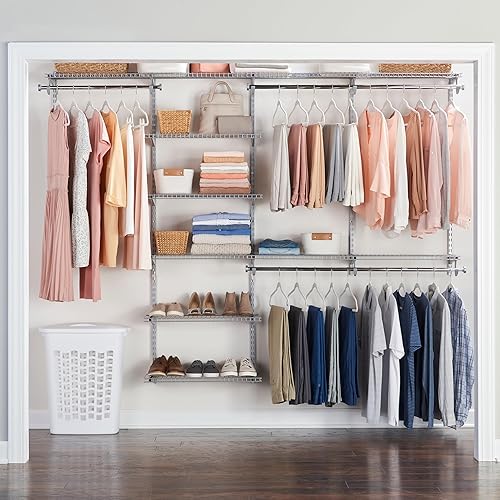
- Clothing and shoes: everyday wear, seasonal items, workout gear, sleepwear, and footwear.
- Linens and bedding: sheets, towels, blankets, pillows, and tablecloths.
- Kitchen cookware and bakeware: pots, pans, baking sheets, and specialty tools.
- Kitchen tools and utensils: knives, spatulas, measuring cups, and gadgets.
- Dry food and pantry goods: canned goods, grains, baking supplies, and snacks.
- Dishware and serving pieces: plates, bowls, glasses, platters, and flatware.
- Cleaning supplies: sprays, cloths, sponges, mops, and brooms.
- Bathroom toiletries and medicine: skincare, hair products, first-aid items, and over-the-counter medication.
- Paperwork and important documents: bills, tax records, insurance, warranties, and identification papers.
- Electronics and cables: chargers, remotes, cords, batteries, and devices you use regularly.
- Tools and hardware: hammers, screws, tape, glue, and spare parts.
- Sentimental items and keepsakes: photos, letters, children’s artwork, and memory boxes.
Some households need a few extra groups. Add categories for hobbies and craft supplies, pet supplies, sports equipment, gift wrap and seasonal decorations, or school and kids’ supplies if those take up real space.
How to Build Your Printable Category List
A generic list is a starting point. A personalized one is more useful because it reflects what your home actually holds. Follow these steps to adapt the list.
Step 1: Walk through the house with a notepad
Spend 20 to 30 minutes moving from room to room. Write down every category of item you notice, even if it seems minor. Do not sort yet. You are only collecting names.
Step 2: Merge overlapping groups
If you wrote both “blankets” and “throws,” combine them under linens. If “charging cables” and “remote controls” feel like separate problems, decide whether they belong together in electronics. Aim for 10 to 15 categories. Fewer than 8 usually means groups are too broad to be useful. More than 20 usually means they are too narrow to hold much.
Step 3: Write a one-line definition for each group
A definition keeps you from drifting. “Paperwork” might mean only items you need to keep, not junk mail. Writing this down now saves arguments later.
Step 4: Format for printing
Use a simple two-column table: category name on the left, definition or example items on the right. Leave a blank column on the far right for a “location” note. Print it at 100 percent scale on standard letter or A4 paper, and tape it inside a cabinet door or closet where you will see it.
Using the List Room by Room
Once you have your list, work through your home by category rather than by room. Choose one category, gather every item from that group across the house, and decide together what to keep, donate, or store.
| Category | Where to look first | Typical decision point |
|---|---|---|
| Clothing and shoes | Bedroom closet, dresser, hall closet, car trunk | Have you worn it in the past year? |
| Dry food and pantry goods | Kitchen cabinets, pantry, basement shelves | Is it past its date, and do you use it? |
| Cleaning supplies | Under the sink, laundry room, garage | Do you have duplicates of the same product? |
| Paperwork and important documents | Desk, kitchen counter, filing cabinet, mail pile | Is it needed for taxes, insurance, or legal reasons? |
| Electronics and cables | Junk drawer, nightstands, entertainment center | Does the cable match a device you still own? |
Work in short sessions. Sorting one category in 45 minutes beats a six-hour marathon that ends in exhaustion. Use three bins or bags for every category: keep, donate or sell, and trash or recycle. Keep the piles separate and move the keep items into their storage spot before you start the next category.
Labeling and Maintaining the System
A category list only helps if the categories stay put. Once you have sorted a group, give it a home and label that home with the category name. Use consistent wording. If your printed list says “Cleaning supplies,” do not label the bin “Cleaning products” on one shelf and “Cleaners” on another. Matching labels make it easier to put things back.
Plan a short monthly check. Spend ten minutes looking at one or two categories that tend to accumulate, such as paperwork or electronics. Remove anything that no longer belongs, and update the printed list if you have added a new group, like a new hobby.
For more detailed storage hardware that fits these categories, see Storage Containers for Home Organization: 5 Best Picks Compared (2026) for a comparison of bin types.
Common Mistakes to Avoid
- Making the list too long. A list of 40 categories is hard to use. Combine small groups until you have a manageable number.
- Using vague names. “Stuff” or “misc” will fill up fast. Name categories by what the items do.
- Sorting while shopping for storage. Finish sorting first. Buying bins before you know your volume usually leads to too many containers or the wrong sizes.
- Skipping the decision step. Piling items without deciding whether to keep them just moves clutter from one room to another.
- Forgetting the paper trail. Documents often get stored with everything else. Keep paperwork in its own category with a dedicated file or box.
Tips for a Smoother Process
- Set a timer for each session and stop when it rings, even if you are in the middle of a pile.
- Keep a donation box near the door so you can drop items as you find them.
- Photograph your sorted storage areas. Photos make it easier to remember what you own when you are shopping.
- If you are organizing a small space like an office, the approach still works. Compare your category list with ideas in Organization Ideas for Small Home Office: 9 Systems That Free Up Space.
- For paper records specifically, Home File Organization Categories: A Step-by-Step System That Works offers a filing structure you can layer on top of your list.
Recommended gear
These supplies help you turn a printed category list into an working system. Choose sizes that match the volume you found during sorting.
- Clear stackable storage bins: they let you see contents without opening each container, which keeps categories easy to scan. View on Amazon
- Clear label holders with paper inserts: they let you swap printed labels when a category changes, without rewriting. View on Amazon
- Fabric drawer organizers: useful for small categories like electronics accessories or tools that would otherwise scatter. View on Amazon
- Accordion document organizer: a practical way to hold paperwork categories in one portable place. View on Amazon
FAQ
What is a free printable list of categories for home organization?
It is a one-page sheet listing the main groups of household items, such as clothing, kitchen tools, paperwork, and cleaning supplies. You print it and use it to sort your home by type of item rather than by room.
How many categories should I use?
Most homes work well with 10 to 15 categories. Fewer tends to make groups too broad, and more can make sorting feel fragmented.
Should I sort by category or by room?
Sorting by category first usually works better because it shows duplicates and reveals how much you own in each group. You can then assign each category a storage location, which may be a single room or several.
How often should I update my category list?
Review it once a season or whenever a new hobby, pet, or family member changes what you store. Small adjustments are easy if the list is printed on paper you can edit by hand.
Can I use this list for a small apartment?
Yes. A smaller space often benefits more from categories because it forces you to see how much of each type you actually need. Combine categories where space is tight, such as merging linens with towels.
What if a category does not fit any of the groups?
Add it as its own category. Items that do not fit anywhere are usually the ones that need a clear decision about whether to keep them at all.
Do I need special software or apps to use this system?
No. A printed sheet and a few bins are enough. Some people prefer a digital copy for editing, but the system works the same way on paper.
Where should I store paperwork categories safely?
Keep important documents in a fireproof box or a locked filing drawer, and store copies of key records digitally with a backup. For guidance on retaining tax or legal records, consult a tax professional or attorney, since requirements vary.
Conclusion
A free printable list of categories for home organization turns a overwhelming house into a set of manageable groups. Build your own list from the 12 core categories, adjust it to what you actually own, and work through one category at a time. Label your storage to match the list, and check in monthly to keep the system working.
Related reading
Ready to choose one?
About Claire Whitaker
Claire Whitaker is part of our editorial team and reviews and edits our home organization guides, checking product details against manufacturer specifications and owner feedback.