 By Colin Foster
Updated November 2026
Dollar Tree closet organization is one of the most practical ways to get a tidier closet without a big shopping trip or a complicated plan. In this guide, you will measure your closet, sort what you own, pick the right store-bought pieces, and set up zones that keep clothes, shoes, and accessories where you can find them. Most of the work happens in one or two afternoons.
Step 1: Empty and Measure Your Closet
Before you buy anything, take everything out of the closet. It feels like extra work, but it is the only way to see the real shape of the space, including the dead corners and the shelf nobody uses. Wipe the shelves and rod, then measure three things: the width of the rod, the depth and height of the shelf above it, and the floor area under the hanging section.
Write these numbers down. Standard closet rods are often around 36 to 48 inches wide in a reach-in closet, and shelf depth is commonly 12 inches, but your closet may differ, so measure yours. These figures will tell you how many bins will fit side by side and how deep they can be without blocking the door.
Step 2: Sort Everything Into Categories
Sort your items into piles by type rather than by room: hanging shirts, hanging pants, folded knits, shoes, bags, belts, accessories, seasonal items, and things that belong somewhere else. Be honest about what you actually wear. Anything damaged, stained, or unworn for a full season is a candidate for donation.
Once the piles are sorted, count them. A rough count tells you how many hangers, bins, and shoe slots you need, which keeps you from buying too much or too little at the store.
Step 3: Plan Zones Before You Buy
A closet works best when each zone has one job. A typical layout looks like this:
- Upper shelf: off-season items, extra bedding, storage boxes you rarely open.
- Middle shelf or rod: folded everyday items like sweaters, tees, and sleepwear.
- Hanging rod: shirts, dresses, and pants, grouped by length and color.
- Floor: shoes, baskets, and a laundry bin if space allows.
- Door or side wall: belts, scarves, jewelry, and small accessories on hooks or pockets.
Sketch this on paper with your measurements. If you are working with a very limited footprint, the ideas in DIY Small Closet Organization: 7 Steps to More Usable Space can help you decide which zones matter most.
Step 4: Choose Your Dollar Tree Supplies
Dollar Tree stocks a range of storage items that work well in closets, though inventory changes and not every store carries the same things. Look for these categories:
| Item type | Best use in a closet | What to check before buying |
|---|---|---|
| Fabric or woven bins | Folded knits, socks, sleepwear | Measure against your shelf depth and height |
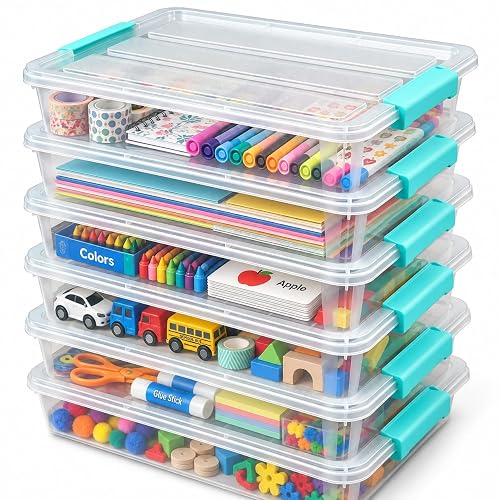
| Clear plastic bins or drawers | Accessories, undergarments, craft supplies | Look for stackable designs with sturdy bases |
| Over-the-door hook racks | Belts, bags, scarves, hats | Confirm the door is solid and clears the hinges |
| Adhesive or screw-in hooks | Purses, robes, jewelry | Check weight ratings; keep heavy items off adhesive hooks |
| Shoe organizers | Flats, sneakers, sandals | Count pairs and measure shoe height |
| Velvet or plastic hangers | Shirts, pants, dresses | Match hanger width to garment width |
Because stock varies, bring your measurements with you and compare sizes in the store rather than assuming a bin will fit. Check the official Dollar Tree website or call your local store for current availability.
Step 5: Install Shelf and Rod Add-Ons
Many closets waste vertical space. A simple second rod, mounted about 40 inches from the floor, can double hanging capacity for shirts and skirts. Use the mounting hardware the product specifies, and find wall studs with a stud finder rather than relying on drywall anchors alone for anything heavy.
Installing a Shelf Divider
- Mark the shelf in thirds or quarters with painter’s tape.
- Set the divider in place and confirm it sits flush against the back wall.
- Secure it with the included screws, driving into the shelf and not just the panel.
- Load it lightly first, then check that nothing sags after a day.
Step 6: Set Up Hanging and Folding Systems
Hang everything in a consistent order, usually by category and then by color or sleeve length. Use the same hanger type throughout, which makes the rod look uniform and keeps garments from slipping. For folded items, stand them up in bins rather than stacking flat. Vertical folding lets you see every piece at once.
Folding Vertically in a Bin
- Fold each shirt or pair of leggings in thirds lengthwise.
- Fold again in half or thirds so the piece is a narrow rectangle.
- Stand it on its short edge with the label facing out.
- Keep each bin to one category so you know where to look.
Step 7: Maintain the System
A closet stays organized because of small habits, not one big session. Put items back in their zone, not on the nearest chair. Once a season, pull out the off-season bin, check for damage, and donate what you have not worn. A five-minute reset each week is usually enough to keep things on track.
Common Mistakes
- Buying before measuring. Bins that look right in the store often fail to fit on a shelf with a lip or a rod bracket.
- Overfilling bins. If a bin does not close or slide easily, it is too full. Remove a few items.
- Hanging heavy bags on adhesive hooks. Adhesive can fail over time, especially in humid closets. Use screw-in hooks for weight.
- Ignoring the floor. Shoes and baskets belong on the floor, but they need a defined spot so they do not spread.
- Mixing categories in one bin. Socks and sweaters in the same bin make both harder to find.
- Skipping the purge. Organizing clutter just makes more room for clutter. Sort out what you no longer use first.
Tips for Making It Last
- Label bins on the front edge, not the top, so labels stay visible when stacked.
- Keep a small donation bag in the closet and fill it as you go.
- Leave a few inches of open space on the rod so clothes can be removed without crowding.
- Rotate seasonal items twice a year to keep the working zones clear.
Recommended Gear
Some items are worth buying from a dedicated home goods brand rather than a discount store, particularly where weight capacity or fit matters. Consider these options:
- Simplify Velvet Non-Slip Hangers are a common choice for keeping garments from sliding off the rod, which helps keep hanging zones neat. View on Amazon
- Whitmor Over-the-Door Organizers are widely available and suit the over-the-door hook zone for belts and bags. View on Amazon
- mDesign Stackable Storage Bins offer a more uniform look than mixed bins and stack well on closet shelves. View on Amazon
FAQ
Is Dollar Tree closet organization good enough for a full closet?
It can be, as long as you choose pieces that match your measurements and weight needs. Many people use dollar store bins for folded items and accessories, and add a sturdier rod or hook for heavier loads.
How do I know which bins will fit my closet shelf?
Measure the shelf depth and height, subtract a little clearance, and compare those numbers against the bin’s listed dimensions. Bring a tape measure to the store.
Can I use adhesive hooks in a closet?
Yes, for light items such as scarves or lightweight bags. Check the weight rating on the package, clean the surface before applying, and avoid heavy bags or coats.
What is the best way to organize shoes on a closet floor?
Use a shoe organizer or stackable bins and group by type, such as work shoes, casual shoes, and athletic shoes. Keep the most-worn pairs at the front.
How often should I declutter my closet?
A quick pass each season is usually enough. Remove anything you have not worn in a year, damaged items, and clothes that no longer fit.
Should I use matching bins?
Matching bins make a closet look calm, but they are not required. What matters most is that each bin has one category and that you can see the contents easily.
Where can I learn more about closet systems?
Browse DIY Closet Organization Plans: 7 Steps to Build Your Own System for ideas on building a more permanent setup, or check Dollar Tree Closet Organization Ideas: 5 Best Picks for Small Closets (2026) for additional layouts.
Conclusion
Diy dollar tree closet organization works best when you measure first, sort by category, and then choose supplies that fit your actual space. Build zones for hanging, folding, shoes, and accessories, and keep the system alive with a quick weekly reset. With a few afternoons of effort, most closets become easier to use and much less frustrating to open every morning.
Ready to choose one?
About Colin Foster
Colin Foster is part of our editorial team and reviews and edits our home organization guides, checking product details against manufacturer specifications and owner feedback.