By Colin Foster
Updated November 2026
Open linen closet organization comes down to three things: sorting what you own, giving each stack a fixed home, and choosing containers that keep the look tidy without hiding anything. When you finish this guide, you will have a plan for an open-front linen closet or shelf unit, a shelf-by-shelf layout, and a routine that keeps it from drifting back into a pile. The method works whether you have a built-in closet with no doors or a freestanding unit in a hallway.
Why open linen closets need a different approach
A closed door hides a lot of sins. An open linen closet does not. Every shelf is visible from across the room, so uneven stacks, mismatched towels, and loose pillowcases stand out right away. That visibility is actually a benefit, because it makes the system easy to maintain. You can see at a glance when a shelf is running low or when something has been put back in the wrong place.
Shopping for one? See our guide: 3 Best Small Linen Closet Organization Bins for Tight Spaces (2026).
The trade-off is that open shelving rewards restraint. You need fewer categories, more uniform containers, and a deliberate decision about what gets to live on display. If you try to fit a full closet’s worth of stuff into an open setup, the result looks cluttered no matter how well you fold.
Step 1: Empty the closet and sort everything
Pull every item out and place it on a bed or table. Resist the urge to put anything back until the sort is finished. Group items into categories such as bath towels, hand towels, washcloths, bath mats, bed sheet sets, pillowcases, blankets, and duvet covers. Keep a separate pile for anything that is stained, torn, or no longer used.
Once you have categories, count what you actually have. Owners often find they own far more sheet sets and towels than they use in a month. Set aside what you plan to keep, and be honest about pieces you have not touched in a year.
Decide what stays
- Keep one complete set of bedding per bed in use, plus one spare set for rotation.
- Keep bath towels at roughly one per person per day of the laundry cycle, plus two or three guest sets.
- Donate or recycle anything with holes, persistent stains, or fraying edges that you would not put on a guest bed.
- Remove pieces for beds or bathrooms that no longer exist in the home.
Step 2: Measure your shelves before buying anything
Measure the depth, width, and vertical clearance of every shelf. For open shelving, depth matters most. Folded towels are typically around 12 to 14 inches wide when stacked in thirds, and a standard bath towel folded in half lengthwise and then in thirds often fits best on shelves 14 to 16 inches deep. Measure the height from one shelf to the next, then subtract about 2 inches so containers can slide in and out without catching.
Write these numbers down. You will use them when you choose bins and baskets in Step 5, and they will save you from buying containers that look good in a photo but do not fit your shelf.
Step 3: Create zones by use, not by item
A zone is a shelf or section dedicated to one household task. Zoning by use is more practical than grouping by fabric type because it reflects how you actually reach for things. A common setup looks like this:
| Shelf zone | What lives there | Placement tip |
|---|---|---|
| Everyday bath | Bath towels, hand towels, washcloths | Eye level, closest to the bathroom side |
| Guest and spare | Guest towels, spare bath mats | Top shelf or lowest shelf |
| Current bedding | Sheet sets for beds in use, pillowcases | Middle shelves, near the bedroom door if possible |
| Off-season and extras | Blankets, duvet covers not in use | Highest or deepest shelf |
| Cleaning overflow | Drop cloths, cleaning rags | Bottom shelf, in a closed bin |
If your closet is shared with cleaning supplies or other household items, consider the approach used in Work Office Supply Closet Organization: 7 Steps to a Tidy Setup for keeping non-linen items separate and out of sight.
Step 4: Fold for open display
Folding for an open closet is different from folding for a drawer. You want stacks that look neat from the front, with edges aligned and the fold facing outward. Most people do best with the following approach:
- Lay the towel flat and fold it in half lengthwise.
- Fold it in thirds so the folded edge faces you.
- Stand it on its folded edge, or stack it with the fold facing out, depending on the bin width.
- Place the stack so the folded edge points toward the front of the shelf.
For sheet sets, fold the flat sheet and fitted sheet separately and store them in a pillowcase, or use a dedicated sheet bag. Store pillowcases flat in a stack or standing upright in a basket so they do not slump.
Stack height and weight
- Limit stacks to about 8 to 10 bath towels so the bottom pieces do not compress and wrinkle.
- Keep heavy blankets on the lowest shelves for stability and easy access.
- Do not stack items higher than the front edge of the shelf above, so nothing hangs over.
Step 5: Choose containers that match your shelf measurements
Containers are what make open linen storage look intentional. Use the measurements from Step 2 to pick bins and baskets that leave a small gap at the front and back. Uniform containers in one material and color look calmer than a mix of shapes. Woven baskets, fabric bins, and wire-front cubes are the most common choices.
Open shelves often suffer from sagging when heavy bins sit on thin shelving. Check the weight rating your shelf manufacturer specifies, and avoid overloading the middle of a long span. If your shelves are wire or thin laminate, use shelf supports or stick to lightweight baskets.
Step 6: Label thoughtfully and sparingly
Labels help when a household has several people who need to find and return linens. On open shelving, however, too many labels create visual noise. Label the container rather than each folded item, and keep labels consistent in font and placement. A small tag on the front edge of each bin is usually enough.
Step 7: Set a maintenance routine
Open closets drift quickly if nobody is responsible for them. A simple routine keeps things tidy:
- After laundry, put items back on the correct shelf rather than the nearest one.
- Once a month, refold any stack that has been pulled apart and check that the zones still match how the household uses them.
- Twice a year, rotate off-season bedding and remove anything worn out.
- Each season, check that bins are not sagging and that containers still fit the shelves.
Common mistakes to avoid
- Buying containers before measuring. Bins that are too deep stick out past the shelf edge and look messy.
- Keeping too much. Open shelves show overstock immediately. Edit before you organize.
- Mixing use zones. Storing guest towels next to everyday towels forces you to dig every time.
- Stacking too high. Tall stacks collapse and look chaotic. Use more containers instead.
- Ignoring lighting. A dark closet makes even neat shelves look cramped. A battery-powered light strip or a ceiling fixture can make a visible difference.
- Skipping the routine. Without a few minutes of upkeep, the system breaks down within weeks.
Tips for a closet that stays tidy
- Use the same fold on every towel so stacks line up and look deliberate.
- Keep one color family for most linens. White, cream, and gray are forgiving choices for open display.
- Store a small hamper or laundry basket nearby if the closet is far from the bathroom or bedroom.
- If you run out of shelf space, consider the approach in Linen Closet Organization Systems: 7 Steps to a Tidy Shelf for adding vertical zones.
- For a closet that is also a bathroom linen closet, see Bathroom Linen Closet Organization: 7 Steps to a Tidy, Usable Shelf for moisture and humidity considerations.
Recommended gear
The items below are common, practical choices for open linen storage. Measure your shelves first, then select sizes that fit.
- Fabric storage bins with handles. Soft-sided bins keep stacks in place and give the shelf a uniform look. Choose a size that matches the depth you measured in Step 2. View on Amazon
- Woven seagrass or water hyacinth baskets. Open-weave baskets let air circulate, which helps linens stay fresh, and they suit a range of decor styles. View on Amazon
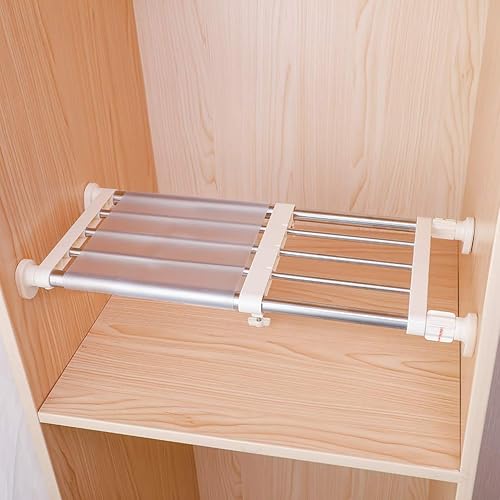
- Adjustable wire shelf dividers. These help keep stacks upright and prevent towels from sliding into each other on a deep shelf. View on Amazon
FAQ
What is the best depth for open linen closet shelves?
Most standard bath towels fold neatly on shelves 14 to 16 inches deep. Shallower shelves work for hand towels and washcloths, while deeper shelves suit bedding and blankets.
How many towels should I keep in an open linen closet?
A common approach is one bath towel per person per day between laundry loads, plus a small set for guests. Check your own laundry schedule, since needs vary by household size.
Should I fold towels or roll them?
Folding works better for open shelves because the edges line up and look tidy. Rolling can save space but creates a less uniform look.
How do I stop open shelves from looking messy?
Use matching containers, keep stacks at a consistent height, and limit the number of colors. Edit regularly so the shelves never hold more than they can comfortably display.
Can an open linen closet work in a bathroom?
Yes, but humidity can affect towels and sheets. Keep the door or vents open to allow airflow, and avoid storing damp items. If you have a persistent mold or mildew concern, consult a professional for ventilation advice.
What containers work best for tight shelf spaces?
Shallow, lightweight fabric bins or wire-front cubes fit well in narrow spaces. Measure carefully, because even a small difference in depth can cause containers to stick out.
How often should I reorganize an open linen closet?
A light refold and reset each month keeps things on track. A full sort and edit is worth doing once or twice a year, especially when seasons change.
Conclusion
Open linen closet organization works when you sort ruthlessly, zone shelves by how you use them, and match containers to your measurements. Fold with the front edge in mind, and keep stacks at a height that stays neat. A short monthly reset will keep the closet looking intentional, and the whole system becomes much easier to live with day to day.
Related reading
- Towel Closet Organization Ideas: 7 Layouts That Keep Linens Tidy
- Top 6 Small Linen Closet Organization Ideas with Bins and Dividers
- Top 4 Open Closet Organization Ideas with Bins and Hangers (2026)
Ready to choose one?
About Colin Foster
Colin Foster is part of our editorial team and reviews and edits our home organization guides, checking product details against manufacturer specifications and owner feedback.