 By Colin Foster
Updated November 2026
Finding the best book about decluttering depends on what is actually stopping you. Some readers need a framework for deciding what to keep, while others need permission to let go of sentimental items or a gentler, slower pace. This guide compares six well-known titles on the criteria that matter most for a home organizing project: the core method, the tone, how practical the advice is, whether it addresses emotional attachment, and who the book is written for. Each pick is based on publisher information, the author’s stated approach and common reader feedback patterns, not on any personal testing.
Our top picks at a glance
- 1
 TOP CHOICEBest overallThe Life-Changing Magic of Tidying UpView on Amazon
- 2
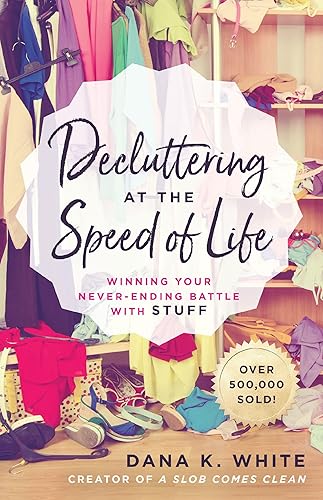 TOP CHOICEBest for practical step-by-step sortingDecluttering at the Speed of LifeView on Amazon
- 3
 TOP CHOICEBest for sentimental itemsThe Sentimental Person's Guide to DeclutteringView on Amazon
- 4
 Best for a blunt, humorous approachNobody Wants Your Sh*t: The Art of Decluttering Before You DieView on Amazon
- 5
 Best for a gentle, low-pressure paceDecluttering Before You Die: A Gentle Guide to Letting Go of a LifetimView on Amazon
- 6
 Best for midlife transitionsThe Midlife Edit: A Guide to Decluttering and Organizing to Make Space for What's NextView on Amazon
Our Top Picks
| Product | Best for | Key feature |
|---|---|---|
| The Life-Changing Magic of Tidying Up | Readers who want one clear method | The KonMari category-by-category approach |
| Decluttering at the Speed of Life | Ongoing, practical day-to-day decluttering | Routines and systems for keeping clutter from returning |
| The Sentimental Person’s Guide to Decluttering | People who struggle with keepsakes | Emotion-focused guidance for sorting memorabilia |
| Nobody Wants Your Sh*t | Readers who respond to direct, funny writing | Blunt advice on what to get rid of before you die |
| Decluttering Before You Die | Overwhelmed readers who need a slow start | Small, one-decision-at-a-time steps |
| The Midlife Edit | Readers reorganizing life stages or downsizing | Decluttering linked to planning the next chapter |
The Life-Changing Magic of Tidying Up
The Life-Changing Magic of Tidying Up: The Japanese Art of Decluttering and Organizing
Best for: Readers who want one clear, structured method and are ready to commit to it.
This is the book most people mean when they search for a decluttering classic. It suits readers who prefer rules to open-ended advice and who are willing to work through every category of belongings in a set order.
Key specs
- Format: paperback, Japanese-origin method translated to English
- Core method: sort by category, not by room
- Recommended order: clothes, books, papers, komono (miscellaneous), sentimental items
Pros
- Clear, sequenced method that is easy to follow
- Category-based sorting prevents endless room-by-room second passes
- Focuses on keeping only what sparks joy, which gives a concrete decision test
Cons
- The “spark joy” test can feel vague for practical items like cables or tools
- Advice is aimed at a fairly specific lifestyle and may not fit every household size
Bottom line: A strong first choice for someone who wants a single, structured method to follow from start to finish.
Decluttering at the Speed of Life
Decluttering at the Speed of Life: Winning Your Never-Ending Battle with Stuff
Best for: Ongoing, practical day-to-day decluttering that keeps clutter from coming back.
This book is aimed at people who already know their home is cluttered and want a sustainable system rather than a one-time purge. It is especially useful for busy households where stuff keeps accumulating between big cleaning sessions.
Key specs
- Format: paperback nonfiction
- Focus: routines, habits and decision systems for ongoing decluttering
Pros
- Emphasis on maintenance, not just a single big project
- Practical routines that fit into a normal week
- Addresses the habit side of clutter, including incoming items
Cons
- Less of a dramatic “big purge” framework for readers who want that momentum
- Some readers find the pace of suggestions more than they can take on at once
Bottom line: Best for readers who expect clutter to be an ongoing battle and want systems that hold up over months, not just one weekend.
The Sentimental Person’s Guide to Decluttering
The Sentimental Person's Guide to Decluttering
Best for: People who struggle with keepsakes, family items and things tied to memories.
If letting go of sentimental belongings is the hardest part of your project, this title is built around that problem. It works well for readers who find generic decluttering advice too quick to dismiss emotional attachment.
Key specs
- Format: paperback nonfiction
- Focus: sorting memorabilia, heirlooms and keepsakes
Pros
- Treats emotional attachment as a real obstacle rather than a character flaw
- Offers approaches for deciding which keepsakes to keep, photograph or pass on
- Useful for families sorting through shared inherited items
Cons
- Less focused on everyday clutter like clothes, kitchenware or paper
- Works best alongside a more general decluttering method
Bottom line: The right pick if sentimental items are what keeps stopping you, especially when paired with a broader system.
Nobody Wants Your Sh*t: The Art of Decluttering Before You Die
Nobody Wants Your Sh*t: The Art of Decluttering Before You Die (New York Times Bestseller)
Best for: Readers who respond to direct, humorous writing and want a push to start now.
This is a blunt, conversational take on decluttering, framed around the idea that the people you leave behind will have to deal with your belongings. It suits readers who find softer, more reflective books too slow.
Key specs
- Format: paperback, New York Times bestseller listing per the cover
- Tone: candid, humorous, practical
Pros
- Strong motivation for starting, especially for readers who put it off
- Easy to read in short sessions
- Practical reframing of what to keep versus what to release
Cons
- The tone may feel too blunt for readers who prefer gentler guidance
- Less step-by-step structure than a formal method book
Bottom line: A good fit for someone who needs a jolt of motivation and enjoys a straightforward voice.
Decluttering Before You Die: A Gentle Guide to Letting Go of a Lifetime of Stuff Without Guilt, Reducing Overwhelm, and Living Lighter
Decluttering Before You Die: A Gentle Guide to Letting Go of a Lifetime of Stuff Without Guilt, Reducing Overwhelm, and Living Lighter—One Decision at a Time (The Gentle Decluttering Series)
Best for: Overwhelmed readers who need a slow start and small, manageable decisions.
This title is part of a gentle decluttering series and focuses on reducing guilt and overwhelm. It is well suited to readers who have tried big purges before and stalled, or who feel anxious about making irreversible choices.
Key specs
- Format: book, part of “The Gentle Decluttering Series”
- Focus: one-decision-at-a-time progress and reducing guilt
Pros
- Low-pressure approach that suits anxious or perfectionist readers
- Breaks large goals into small, repeatable decisions
- Addresses guilt around giving things away
Cons
- Progress can feel slow for readers who want fast, dramatic results
- Less detailed on large-scale projects like garages or whole-house purges
Bottom line: Best for readers who need permission to go slowly and want a calm, supportive voice throughout.
The Midlife Edit: A Guide to Decluttering and Organizing to Make Space for What’s Next
The Midlife Edit: A Guide to Decluttering and Organizing to Make Space for What's Next
Best for: Readers reorganizing their home around a life transition such as downsizing, an empty nest or retirement.
This book connects decluttering to planning the next stage of life. It suits readers who are not just cutting clutter but deciding what their home should support going forward.
Key specs
- Format: paperback nonfiction
- Focus: decluttering linked to life transitions and future planning
Pros
- Useful framing for downsizing and life-stage changes
- Encourages decisions based on future needs, not only past habits
- Covers organizing as well as removing items
Cons
- Less relevant for younger readers in a stable home
- Broader life-planning focus may go beyond what some readers want
Bottom line: A strong choice for anyone whose decluttering is driven by a move, a new life stage or a change in household size.
Buying Guide
Choose a method that matches your personality
Some readers want a fixed sequence, while others need flexibility. A rules-based book works well for people who like checklists. A gentler, reflective book is better if you tend to freeze when faced with decisions.
Good picks for this: The Life-Changing Magic of Tidying Up, Decluttering Before You Die
Check whether the book covers sentimental items
Many general decluttering books treat keepsakes lightly. If photos, letters or heirlooms are your main obstacle, look for a title that spends real time on emotional attachment and on practical ways to store or photograph memorabilia.
Good picks for this: The Sentimental Person’s Guide to Decluttering, The Midlife Edit
Consider whether you need a one-time purge or ongoing systems
A big purge needs momentum and a clear plan. Ongoing clutter, especially paper, mail and incoming items, needs routines. Read the table of contents or sample pages to see which problem the author focuses on.
Good picks for this: Decluttering at the Speed of Life, The Life-Changing Magic of Tidying Up
Think about tone and reading style
Tone matters more than many readers expect. A blunt, humorous voice can be motivating, while a warm, slow voice can keep you going when a project feels heavy. If you tend to abandon books that feel preachy, choose one whose voice you enjoy.
Good picks for this: Nobody Wants Your Sh*t, Decluttering Before You Die
Match the book to your life stage
A book written around downsizing or retirement will address different decisions than one aimed at a busy family household. If you are moving, planning to downsize or reorganizing after children have left home, a life-stage-focused title will likely be more useful than a general method.
Good picks for this: The Midlife Edit, The Sentimental Person’s Guide to Decluttering
Look for specific, actionable steps
Inspiration is pleasant, but a useful book gives you tasks you can start today. Scan for sections with checklists, sorting categories, or sequenced steps. Advice that stays abstract rarely produces results on its own.
Good picks for this: Decluttering at the Speed of Life, The Life-Changing Magic of Tidying Up
Decide whether you want to read the book or use it as a reference
Some books are best read cover to cover before you start. Others work better as a reference you dip into when you hit a specific obstacle, such as a drawer of old cables or a box of birthday cards. Choose a format that fits how you plan to work through your home.
Good picks for this: Decluttering at the Speed of Life, Decluttering Before You Die
FAQ
What is the best book about decluttering for beginners?
For most beginners, a clear method with step-by-step guidance is the easiest starting point. The Life-Changing Magic of Tidying Up gives a fixed order to follow, which removes the guesswork of deciding where to begin.
Are there good decluttering books for people who feel overwhelmed?
Yes. Books with a gentle tone and small, one-decision-at-a-time steps are often more practical when you feel anxious. Decluttering Before You Die is written with that reader in mind.
Which decluttering book helps with sentimental items?
The Sentimental Person’s Guide to Decluttering focuses on memorabilia, heirlooms and keepsakes. Pairing it with a general method is often more effective than relying on either one alone.
Should I read a decluttering book before I start?
It helps to read at least the introduction and the section on your first room or category. Reading the whole book first can be useful, but many people stall by reading and never starting. Set a small first task and begin as you read.
Do decluttering books work for garages and large spaces?
Most general books focus on closets, drawers and shared rooms. For garages or whole-house projects, use a general method and add a dedicated plan for storage and sorting large items. Our guide on room-by-room decluttering covers those areas in more detail.
Can a decluttering book help after downsizing or a move?
Yes. The Midlife Edit is written for readers making decisions around major life changes, and its framing of what your home should support next can be useful during a move.
Is one decluttering book enough to keep a home organized?
A book gives you a method, but maintaining a home is an ongoing habit. Pair your reading with simple routines for incoming items, such as a daily mail sort and a weekly reset, to keep clutter from returning.
Conclusion
There is no single best book about decluttering for every reader. The Life-Changing Magic of Tidying Up suits readers who want a structured, category-based method. Decluttering at the Speed of Life fits people who need ongoing routines. The Sentimental Person’s Guide to Decluttering is the strongest choice when keepsakes are the main obstacle, while Nobody Wants Your Sh*t suits readers who respond to blunt, humorous motivation. Decluttering Before You Die is well suited to overwhelmed readers who need a gentle pace, and The Midlife Edit fits downsizing and life-stage transitions. Start by identifying your biggest obstacle, then choose the title that addresses it most directly.
Sources
- Guidance on home safety and clutter-related fall and fire hazards in living spaces (cdc.gov)
- Research summaries on stress, habits and behavior change relevant to ongoing organizing routines (nih.gov)
- Safety recommendations for storage furniture and stacked household items (cpsc.gov)
Related reading
- 7 Best Decluttering and Organizing Books for Every Home Project
- 5 Best Books on Decluttering and Organizings for Every Home (2026)
- Decluttering Services for Hoarders: 5 Best Options Compared (2026)
About Colin Foster
Colin Foster is part of our editorial team and reviews and edits our home organization guides, checking product details against manufacturer specifications and owner feedback.