By Colin Foster
Updated November 2026
DIY closet organization hacks work best when you start with a clear inventory, then add simple fixes like double-hang rods, vertical dividers and labeled bins. Done in order, these steps turn a cramped closet into one you can actually see into. Most of the work is sorting and measuring, and the hardware is inexpensive and easy to install.
Empty the Closet and Sort Before You Buy Anything
Pull everything out, including the items on the floor and the shoes you forgot about. Sort into keep, donate and relocate piles, and be honest about clothes that no longer fit or that you have not worn in a year. Only after you know how much you are keeping should you measure for storage.
Shopping for one? See our guide: 3 Best Small Linen Closet Organization Bins for Tight Spaces (2026).
Add Vertical and Double-Hang Space
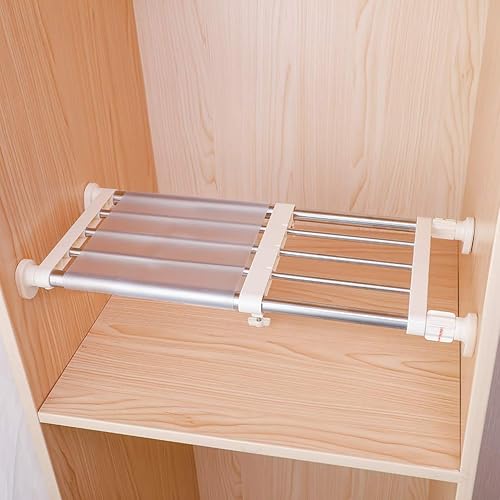
Most closets waste the space above and below the main rod. A second rod installed about 40 inches off the floor creates a lower row for shirts and pants, and a shelf above the upper rod holds folded items and bins. Hang the lower rod so the bottom of the hanging clothes sits high enough to clear shoes and baskets.
- Measure the width of the closet and mark stud locations before drilling.
- Use a level on the rod brackets so clothes do not slide toward one end.
- Leave at least 12 inches above the upper rod for hangers to lift out.
Build Zones for Each Category
Group items by how you use them. Put daily wear at eye level, seasonal pieces up high and shoes on a rack or shelf near the door. Keeping categories in fixed zones means you stop searching and re-folding. Small Closet Organization Hacks: 7 Steps to Gain Real Space goes further into this.
- Assign the rod or shelf zone for each category (shirts, pants, dresses, outerwear).
- Place a basket or bin for socks, belts and accessories.
- Reserve one shelf for off-season storage in labeled containers.
- Keep one open spot for things that come in and need a temporary home.
Use Dividers, Bins and Labels
Stackable bins and shelf dividers stop folded piles from collapsing. Clear bins let you see contents without pulling everything out, while fabric bins look tidier in a visible closet. Label every bin on the front edge so the label is readable from the doorway.
| Closet area | Good fix | Why it helps |
|---|---|---|
| Shelf above rod | Shallow bins | Keeps small items from getting lost |
| Floor | Shoe rack or tiered shelf | Lifts pairs off the floor for quick access |
| Back wall | Over-door or wall hooks | Adds hanging space without using the rod |
Common Mistakes to Avoid
- Installing shelves before you know what needs to fit on them.
- Using bins that are too deep, so items at the back become unreachable.
- Mixing seasonal and everyday items on the same shelf.
- Skipping labels, which means the system slowly falls apart.
- Overfilling the closet, leaving no room for new purchases to land.
Recommended gear
A stud finder helps you anchor rods and shelves into solid wood or metal rather than drywall alone. View on Amazon
Stackable fabric or clear bins keep shelves tidy and make seasonal storage easy to rotate. View on Amazon
A tiered shoe rack lifts footwear off the floor and keeps pairs grouped together. View on Amazon
For more layout ideas, see Organization Hacks for Closet: 7 Smart Ways to Gain Real Space and DIY Small Closet Organization: 7 Steps to More Usable Space. If your space is limited, Very Small Closet Organization Ideas: 8 Layouts That Add Real Space covers tighter footprints, and Wire Shelf Closet Organization: 7 Steps to Use Every Inch shows how to make the most of standard wire shelving.
FAQ
How high should a second closet rod be?
A common placement is about 40 inches above the floor for the lower rod, which leaves room for shorter garments to hang without touching the floor. Adjust for your own wardrobe, since long coats need more clearance.
Do I need a stud finder to install closet hardware?
For heavy loads, yes. Anchoring into studs or using appropriate wall anchors prevents rods and shelves from pulling out under weight. Consult a professional if you are unsure about the wall structure.
How often should I declutter my closet?
Many people find a seasonal review, typically twice a year, keeps the closet manageable. Reassess your zones at the same time so the system stays matched to how you actually dress.
Conclusion
Start by emptying and sorting, then add vertical space, zones and labeled containers. Each step is small, but together they turn a crowded closet into one you can use every day. Revisit the system every season so it keeps working as your wardrobe changes.
Ready to choose one?
About Colin Foster
Colin Foster is part of our editorial team and reviews and edits our home organization guides, checking product details against manufacturer specifications and owner feedback.