By Colin Foster
Updated November 2026
DIY small closet organization ideas work best when you start with the space you already have. In this guide, you will measure your closet, sort what goes in it, and add a few inexpensive builds and fixtures that double the usable storage without a full renovation. Most small closets can gain a noticeably tidier layout in one weekend.
Measure and Empty the Closet First
Before you buy or build anything, take everything out. A closet you can see completely is much easier to plan than one you are guessing at. Measure the width, depth and height of the closet, then note the position of the rod, shelf, door swing and any outlets or vents. Write these numbers down, because every DIY piece you add will depend on them.
Shopping for one? See our guide: 5 Best Yamazaki Home Magnetic Kitchen Organization Racks Compared (2026).
Sort and Zone the Contents
Group items by how often you use them, not by type alone. Everyday clothes go at eye level and within easy reach, seasonal pieces go up high or on the floor at the back, and rarely used items get a bin or get donated. Zoning keeps you from digging through the whole closet every morning, which is the real test of any layout. For a deeper walk-through of this step, see Small Closet Organization Tips: 8 Steps for a Tidier Space.
Build Vertical Storage Above the Rod
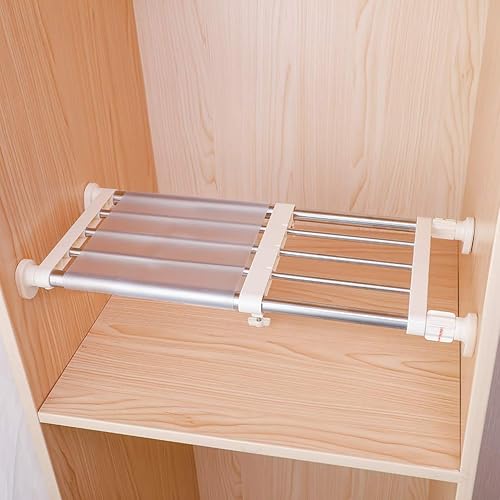
Most small closets waste the top third of the space. A simple DIY approach is to add a second shelf or a shelf-and-rod combination above the existing rod. Keep the upper shelf about 12 inches above the rod, which leaves room for folded sweaters and boxes without crowding hanging clothes. Use a level and a stud finder, and fasten into studs or use rated anchors. For more shelving approaches, see Small Closet Organization: Shelving, Over-Door Storage and Hangers.
Add Over-Door and Wall Storage
The back of the closet door is often unused space. Over-door organizers with pockets or hooks hold shoes, belts, scarves and toiletries. For a DIY version, screw a narrow board with cup hooks or small hanging baskets to the inside of the door, keeping the total depth under about 2 inches so the door still closes fully. Wall-mounted rails for bags and hats work the same way on the side walls.
Stock Up on the Right Supplies
Before you start cutting or drilling, gather these items:
- Tape measure and level
- Stud finder
- Pre-cut shelf boards or plywood sized to your closet
- Brackets rated for your shelf load
- Drill, screws and wall anchors
- Cup hooks, a door-mounted rod or pocket organizer
- Clear or labeled bins in two or three sizes
Use Matching Bins and Labels
Uniform bins make a small closet look calmer and make contents easy to find. Choose bins that fit the shelf depth with about an inch to spare, and label the front of each one. Reserve the bottom shelf for shoes or deep baskets, and keep lighter items on the top shelf where you can reach them with a step stool. Worth reading next: Small Closet Pantry Organization: 7 Steps for More Usable Space.
Common Mistakes
- Mounting shelves without checking for studs, which leads to sagging or pulled-out brackets.
- Choosing bins deeper than the shelf, so they overhang and block the door.
- Overloading the top shelf with heavy boxes you cannot reach safely.
- Skipping the sorting step, so you simply move clutter into new containers.
- Leaving the door swing unchecked, which causes a door to hit a new shelf or organizer.
Recommended Gear
A basic set of these tools and organizers covers most DIY closet projects:
- A stud finder makes it easy to anchor shelves securely. View on Amazon
- Over-door organizers with pockets help use the back of the door for shoes and accessories. View on Amazon
- Clear stackable bins let you see contents at a glance on shelves. View on Amazon
FAQ
How much space should I leave between closet shelves?
Leave about 12 inches between a shelf and the rod or the shelf below it for most clothing and bins. Taller items like boots or large boxes may need 14 inches or more. For another angle, check out Small Bathroom Closet Organization: 7 Steps to Fit More in Less Space.
Can I add shelves to a closet with a rented unit?
Check your lease first, since many landlords restrict drilling. Freestanding shelving units, tension rods and over-door organizers are common options that avoid permanent holes.
What is the best way to keep a small closet organized long term?
Return each item to its zone after use and do a quick reset every few months. Donating anything you have not worn or used in a year keeps the system from filling up again. A related read: 5 Best Small Square Closet Organization Ideas for Tight Spaces (2026).
Conclusion
Measuring, sorting and adding vertical and door-mounted storage will do more for a small closet than any single purchase. Start with one zone, build one shelf or organizer, and expand from there. A closet that matches how you actually use it stays tidy far longer.
Related reading
- Very Small Closet Organization Ideas: 8 Layouts That Add Real Space
- Organization Ideas for a Small Closet: 8 Setups That Actually Work
- Dorm Closet Organization Ideas: 7 Setups That Fit a Small Space
Ready to choose one?
About Colin Foster
Colin Foster is part of our editorial team and reviews and edits our home organization guides, checking product details against manufacturer specifications and owner feedback.