
 By Colin Foster
Updated November 2026
Minimalist home decluttering tips are only useful if they fit the way you actually live, and a good book can give you a framework you will return to room after room. If you want a structured read on clearing out your home and keeping it that way, this guide compares three books on minimalist living and organization. We chose them by looking at their stated scope, how clearly each one turns ideas into steps, the level of practical detail on storage and sorting, and the patterns owners tend to mention in their feedback. Nothing here comes from personal testing; it is a research-based comparison to help you match a book to your goals.
Our top picks at a glance
- 1
 TOP CHOICEBest overallThe Art of Letting Go: A Homeowner's Guide to Decluttering Your LifeView on Amazon
- 2
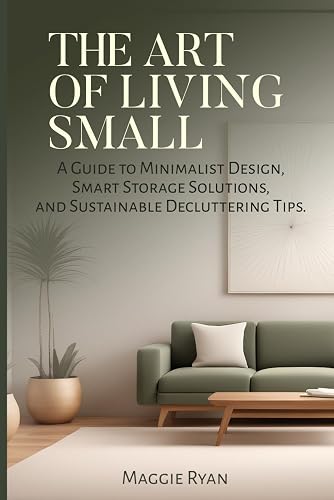 Best for small homesTHE ART OF LIVING SMALL: A Guide to Minimalist Design, Smart Storage SolutionsView on Amazon
- 3
 Best for a step-by-step home resetHome Organization: The #1 Guide to Decluttering and Organizing Your HomeView on Amazon
Our Top Picks
Quick Comparison
| Product | Best for | Key feature |
|---|---|---|
| The Art of Letting Go: A Homeowner’s Guide to Decluttering Your Life | Readers who want a mindset-plus-method approach | Combines minimalist living ideas with organizational hacks |
| THE ART OF LIVING SMALL: A Guide to Minimalist Design, Smart Storage Solutions | Apartment dwellers and small-space owners | Focus on smart storage and minimalist layout |
| Home Organization: The #1 Guide to Decluttering and Organizing Your Home | Readers starting a full-house reset | Broad room-by-room decluttering tips with simplifying ideas |
The Art of Letting Go: A Homeowner’s Guide to Decluttering Your Life
The Art of Letting Go: A Homeowner's Guide to Decluttering Your Life: Minimalist Living, Organizational Hacks | Decluttering Tips to Simplify Your Space with Home Organization Ideas
Best for: A balanced approach that pairs the reasoning behind minimalism with practical decluttering tips
This book suits homeowners who feel stuck because they don’t know why they keep things, not just where to put them. Its title signals a focus on letting go as much as on organizing, which makes it a fit for people who have tried tidying before and watched the clutter return. A related read: 6 Best Nozzle Chart Pressure Washer Tips for Home Use (2026).
Key specs
- Subject: decluttering and minimalist living for homeowners
- Scope: decluttering tips combined with home organization ideas
- Format: paperback book listing
Pros
- Connects emotional attachment to the sorting decisions you actually have to make
- Covers organizational hacks alongside the minimalist philosophy
- Useful for readers who want a long-term mindset, not a one-weekend purge
Cons
- Readers looking for rigid, room-specific checklists may want more granular steps
- The emphasis on mindset can feel slow for someone who wants to start clearing today
Bottom line: Pick this one if you want a calm, reflective guide that explains why decluttering sticks, especially if past attempts failed because the clutter came back.
THE ART OF LIVING SMALL: A Guide to Minimalist Design, Smart Storage Solutions
THE ART OF LIVING SMALL: A Guide to Minimalist Design, Smart Storage Solutions, and Sustainable Decluttering Tips (Simply Sorted Life Series)
Best for: Small-space living with an emphasis on smart storage and minimalist design
This book is aimed at people working with limited square footage, such as apartment renters, studio dwellers, or anyone whose home has run out of closet space. Its focus on storage solutions makes it more hands-on than a purely philosophical read.
Key specs
- Subject: minimalist design and storage for small homes
- Scope: smart storage solutions and sustainable decluttering
- Part of the Simply Sorted Life series
Pros
- Strong focus on storage planning, which matters most in compact homes
- Connects decluttering with sustainable choices about what you keep and replace
- Helpful for layout decisions as well as sorting decisions
Cons
- Less relevant if your home is large and your main issue is sentimental clutter
- Design-oriented sections may lean toward aesthetics over quick fixes
Bottom line: Choose this if your home is small and you need to make every shelf, drawer and corner earn its place.
Home Organization: The #1 Guide to Decluttering and Organizing Your Home
Home Organization: The #1 Guide to Decluttering and Organizing Your Home to Transform Your Life: (Endless Fun Tips On How To: Be a Minimalist, Clean Up Your House, Tidy Up, and Simplify Your Life)
Best for: A full-house reset that covers tidying, simplifying and day-to-day habits
This guide suits readers who are starting from scratch and want a broad overview covering minimalism, cleaning up the house and simplifying daily routines. Its wide scope makes it a practical starting point before you narrow down to individual rooms.
Key specs
- Subject: decluttering and organizing an entire home
- Scope: minimalist living, tidying and simplifying daily life
- Format: paperback book listing
Pros
- Broad coverage makes it a good first read for a whole-house reset
- Pairs minimalist principles with concrete tidying routines
- Accessible tone for readers new to organizing
Cons
- Broad coverage can mean less depth on any single room or storage system
- Readers who already understand the basics may find parts repetitive
Bottom line: A sound choice for anyone beginning a full home declutter who wants a wide-angle overview before getting into details.
Buying Guide
Match the Book to Your Main Problem
Before buying, decide what is actually stopping you. If the issue is attachment and repeated relapse, look for titles that address mindset. If the issue is limited space, look for storage-focused titles. If you simply don’t know where to begin, a broad overview works better than a narrow guide.
Good picks for this: The Art of Letting Go; Home Organization: The #1 Guide
Check the Scope of Coverage
Look at the subtitle and table of contents. Books labeled as guides to a whole home cover more ground but go into less depth per room. Titles that name a specific theme, such as small-space design, usually go deeper on that theme.
Good picks for this: THE ART OF LIVING SMALL; Home Organization: The #1 Guide
Consider Your Home Size and Layout
A minimalist approach in a 600-square-foot apartment looks different from one in a family house. If you have limited closet, shelf or floor space, favor books that discuss furniture choices, vertical storage and layout planning rather than only sorting principles.
Good picks for this: THE ART OF LIVING SMALL
Look for Actionable Steps, Not Just Theory
Skim a sample chapter. Do you see clear steps, such as sorting categories, decision rules or storage setups you can copy? Books that mix philosophy with specific actions tend to be easier to apply on a weekend.
Good picks for this: The Art of Letting Go; Home Organization: The #1 Guide
Think About Sustainability and Buying Habits
Minimalism often extends beyond decluttering into what you buy next. If you want guidance on reducing future clutter through more deliberate purchasing and sustainable choices, check whether the book covers this topic directly.
Good picks for this: THE ART OF LIVING SMALL
Assess the Format and Reading Style
Some readers prefer a conversational tone they can dip into for a few minutes; others want a structured reference with headings they can return to room by room. Read the product description to gauge the style before committing.
Good picks for this: Home Organization: The #1 Guide; The Art of Letting Go
Plan to Apply, Not Just Read
A decluttering book earns its place only if you use it. Pick a single chapter, apply it to one drawer or shelf, then move on. Many readers find that a book with a clear starting point is more useful than a longer one they never finish.
Good picks for this: Home Organization: The #1 Guide; THE ART OF LIVING SMALL
FAQ
Do I need a book to start minimalist decluttering?
No. Many people start with a single room and a simple rule, such as removing anything you have not used in a year. A book helps by giving structure, examples and a shared vocabulary, which is useful if you keep stalling.
What is the best first room to declutter?
Most organizers suggest starting with a low-stakes area, such as a bathroom cabinet, a kitchen drawer or a single closet shelf. Early wins build momentum before you tackle sentimental items or large spaces.
How long does a minimalist declutter usually take?
It depends on the size of the home and how much you have accumulated. Working one room at a time, many households spread the work over several weekends rather than trying to finish in a single session.
Is minimalism the same as having nothing?
Not necessarily. Minimalism is usually described as keeping what you use and value and removing the rest. A well-stocked, tidy home can still be minimalist if every item has a clear purpose and place.
How do I keep clutter from coming back?
Set a simple intake rule, such as deciding where each new item will live before you bring it in, and schedule a short monthly review of high-traffic areas. Books focused on habits and mindset can help with this part.
Which book suits a small apartment best?
For compact homes, a title focused on minimalist design and smart storage is usually the more relevant choice. It will spend more time on layout and storage planning than on general decluttering philosophy.
Should I declutter sentimental items at the same time as everything else?
Many organizers recommend leaving sentimental items for last, once you have built decision-making skills on easier categories. This reduces the emotional strain of the process.
Conclusion
All three books can support a minimalist home decluttering plan, but they serve different needs. The Art of Letting Go is the strongest choice for readers who want to understand why clutter builds up and how to stop it returning. THE ART OF LIVING SMALL fits people working with limited space who need storage and layout guidance. Home Organization: The #1 Guide suits anyone beginning a full-house reset who wants a broad overview. Match the book to your biggest obstacle, and then apply one chapter at a time.
Sources
- Practical guidance on reducing household waste and managing what you discard responsibly (epa.gov)
- Safety recalls and storage-related hazards to consider when setting up shelving and organizers at home (cpsc.gov)
- Background on how clutter and the home environment relate to everyday living, from a research-oriented perspective (nasa.gov)
Related reading
- Tips for Decluttering and Organizing Your Home: 8 Steps That Work
- Organization and Decluttering Tips: 8 Steps for a Lighter, Tidier Home
- Martha Stewart Decluttering Tips: 7 Steps to a Clear, Calm Home
- Feng Shui Decluttering Tips: 8 Steps to a Calmer, Flowing Home
- Empty Nester Decluttering Tips: A Room-by-Room Plan for Your Home
- Decluttering and Organizing Tips: 8 Steps to a Clear Home
About Colin Foster
Colin Foster is part of our editorial team and reviews and edits our home organization guides, checking product details against manufacturer specifications and owner feedback.

