By Colin Foster
Updated November 2026
Office closet organization ideas work best when you start with what you actually store, not with the bins. A good setup separates daily-use supplies from archives, puts heavy items low, and gives every category a fixed home. This guide walks through the process and seven layouts you can adapt to a reach-in closet, a walk-in, or a converted nook.
Start by Sorting Everything Into Categories
Empty the closet completely before you buy anything. Group items into broad categories such as paper and files, office supplies, tech and cables, shipping or mailing materials, seasonal items, and things that do not belong in an office at all. Be ruthless with the last group. Donate or relocate anything that is not used for work.
Shopping for one? See our guide: Home Edit Office Organization (2026): Which Should You Choose?.
Plan Zones by How Often You Reach for Things
Once sorted, assign each category a zone based on frequency. Place daily-use items between shoulder and waist height, weekly items on higher or lower shelves, and rarely used archives on the top shelf or in the back. Heavy printers, reams of paper, and storage boxes belong on the lowest shelf so you are not lifting them overhead.
Choose a Layout That Fits Your Closet Type
The right layout depends on the depth and width of your space. Most closets fall into one of these patterns:
- Shelf-and-rod combo: A top shelf for archive boxes, a hanging rod for garments or a bag, and a lower open shelf for supplies.
- Pull-out drawers: Slim rolling drawers on the lower half keep small items accessible without digging.
- Door-mounted storage: Over-the-door organizers hold cables, pens, and chargers in a space that is otherwise unused.
- Vertical file zone: Upright file boxes or a short filing cabinet placed on the floor keeps paperwork sorted by year or client.
- Printer station: A shelf at desk-friendly height with a cable path to a nearby outlet.
- Cable and tech tray: A shallow bin with dividers for chargers, adapters, and spare batteries.
- Labeled bin wall: Stackable bins on a shelf grouped by category, each with a front-facing label.
Set Up the Closet in Four Steps
- Install shelves and rods first, measuring for at least 12 inches of clearance above anything you plan to stack.
- Place heavy items on the bottom shelf and archive boxes on the top shelf.
- Add bins or drawers, then label each one on the front edge where you can read it without pulling it out.
- Put daily-use items at the front and return everything to its labeled home at the end of each workday.
Tools and Supplies You Will Likely Need
- Tape measure and level
- Drill, anchors, and screws rated for your wall type
- Clear or front-labeled bins in two or three sizes
- Label maker or painter’s tape and a marker
- Shallow tray or dividers for small items
Common Mistakes to Avoid
- Buying bins before sorting, which leads to a closet full of containers and no clear plan.
- Stacking heavy boxes above shoulder height, where they are hard to lift safely.
- Leaving the closet without a landing zone for incoming mail, so clutter returns within days.
- Using unlabeled opaque bins, which means you will forget what is inside.
- Ignoring floor space. A floor-level file box often works better than adding another shelf.
Recommended Gear
- Clear stackable bins: They let you see contents at a glance, which helps you put things back where they belong. View on Amazon
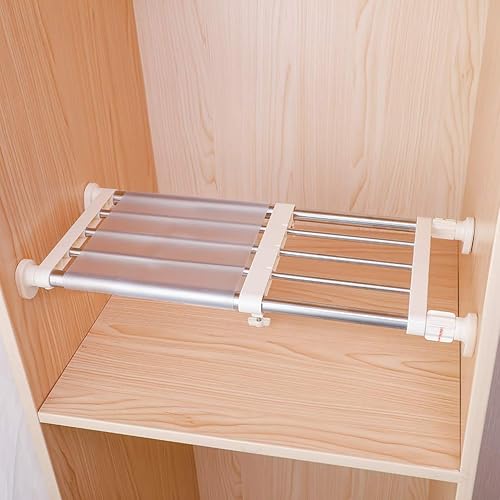
- Adjustable shelving kit: Shelves you can reposition make it easy to fit tall binders and short supply boxes in the same closet. View on Amazon
- Over-the-door organizer: A pocketed organizer uses the back of the door for cables, pens, and small tools. View on Amazon
If you are working with a very limited footprint, the guide to Very Small Closet Organization Ideas covers layouts that add real usable space. For a dedicated workspace, Home Office Closet Organization: A Step-by-Step Guide for Beginners walks through the full build-out, and Home Office Closet Organization Ideas: 8 Layouts That Work compares more configurations side by side.
FAQ
What is the best shelf height for office supplies?
Keep daily-use supplies between your shoulder and waist so you can reach them without bending or stretching. Store heavy items at the bottom and archives on the top shelf.
How do I keep an office closet organized over time?
Return items to their labeled homes at the end of each workday, and schedule a short review every quarter to purge anything you no longer use.
Can I organize an office closet without drilling holes?
Yes. Freestanding shelving units, tension rods, over-the-door organizers, and rolling bins all work without permanent installation, though they may hold less weight than wall-anchored shelves.
Conclusion
Sort first, assign zones by how often you use each item, and choose a layout that suits your closet’s depth and width. Label everything and reset the space at the end of each day. A closet organized this way stays functional long after the initial project is done.
Related reading
- Very Small Closet Organization Ideas: 8 Layouts That Add Real Space
- Shoe Closet Organization Ideas: 7 Setups That Keep Every Pair Visible
Ready to choose one?
About Colin Foster
Colin Foster is part of our editorial team and reviews and edits our home organization guides, checking product details against manufacturer specifications and owner feedback.