By Colin Foster
Updated November 2026
Small hallway closet organization comes down to three things: removing what doesn’t belong, giving every category a fixed home, and using vertical space you’re currently wasting. Follow the steps below and you’ll end up with a closet where coats hang, outerwear and seasonal items are sorted, and you can find what you need without moving three bags to reach the back wall.
Step 1: Empty the Closet and Sort Everything
Pull out every item before you put anything back. Working from an empty space shows you exactly how much room you actually have and prevents you from simply rearranging the clutter. Group items into piles: coats, shoes, bags and totes, cleaning supplies, linens, seasonal gear, and anything that doesn’t belong in a hallway at all.
Shopping for one? See our guide: 5 Best Yamazaki Home Magnetic Kitchen Organization Racks Compared (2026).
Step 2: Edit Ruthlessly
Set aside items you haven’t used in the past year, duplicates, and anything broken. Donate, sell or move the rest out of the closet. A small hallway closet rarely has room for backups, so keep one good umbrella, one spare set of shoes for the door, and one bag of cleaning tools. If you’re unsure about a category, consider keeping the rarely used items in a bin in another room.
Step 3: Zone the Space by Use
Assign zones based on how you walk in and out. Put frequently used items, like everyday coats and bags, at eye level and at the front. Place seasonal or occasional items on the top shelf or in the back. Keep shoes on the floor near the door. Before you add any hardware, sketch the closet on paper and mark where each zone will sit.
Quick measuring checklist
- Measure the interior width, depth and height of the closet.
- Note the height from the floor to the shelf, and to the rod if one exists.
- Measure the door’s inside surface for over-door storage.
- Check the clearance between the rod and the shelf (aim for about 10 inches for a hanging section).
Step 4: Add Vertical Storage
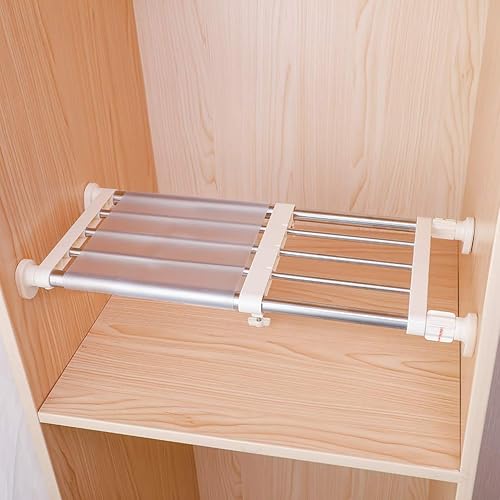
Vertical space is where small closets gain the most. Install a second rod below the first if your coats are short, which can roughly double hanging capacity for jackets and shirts. Use a shelf above the rod for bins, and add an over-door organizer for small items like gloves, hats and keys. Wall-mounted hooks by the door give you a spot for bags that never needs to go into the closet at all.
Step 5: Use Bins and Labels for Small Items
Clear or open-front bins keep small items contained and visible. Group similar things together: cleaning supplies in one bin, gloves and scarves in another, and keys and mail in a shallow tray. Label each bin on the front so anyone in the house can return items to the right place. Choose bins that fit the shelf depth with a little room to spare, so you can slide them in and out easily.
Step 6: Set Up a Shoe System
Shoes eat floor space quickly. A tiered shoe rack or a stacking shelf keeps pairs off the floor and easy to see. For a hallway, limit shoes to the pairs people wear daily and move off-season boots and sandals to a bin on a high shelf. A tray at the base of the closet catches wet shoes and keeps the floor dry.
Step 7: Maintain It Weekly
A closet stays organized only if you reset it regularly. Spend five minutes each week returning items to their zones, shaking out the mat, and checking that bins aren’t overflowing. When a category outgrows its bin, that’s your signal to edit, not to add another bin.
Common mistakes
- Buying organizers before you’ve sorted and edited. You’ll end up storing clutter more neatly, not reducing it.
- Ignoring the door. The inside of a hallway closet door is often free storage.
- Overfilling bins. A bin packed to the brim is hard to use and hard to put back.
- Putting seasonal items at eye level. Keep daily items in the easiest spots.
- Skipping labels. Unlabeled bins drift back into chaos within a few weeks.
Recommended gear
A tiered shoe rack keeps pairs off the floor and visible without stacking them in a pile. View on Amazon
Clear stackable bins make it easy to see what’s inside and fit them neatly on a closet shelf. View on Amazon
An over-door organizer uses the back of the door for gloves, hats and small accessories, freeing shelf space. View on Amazon
FAQ
How do I organize a small hallway closet without buying new furniture?
Start by emptying and sorting the closet, then remove items that don’t belong. Use the back of the door, add a second rod if the ceiling allows, and group similar items in bins you already own.
What’s the best way to store coats in a small hallway closet?
Keep everyday coats on the main rod and move out-of-season coats to a high shelf or a bin. Hooks by the door can hold a daily coat so the closet stays less crowded.
How often should I reorganize a hallway closet?
A quick reset once a week keeps things in order, and a full edit every few months helps you catch items that have crept back in. Reorganize sooner if a bin keeps overflowing.
Conclusion
Small hallway closet organization works best when you empty, edit and zone before you buy anything. Add vertical storage, bins and a shoe system, then reset the closet weekly. For more layouts and ideas, see Small Closet Organization Tips: 8 Steps for a Tidier Space and Small Entry Closet Organization: 7 Steps to a Clutter-Free Entryway.
Related reading
Ready to choose one?
About Colin Foster
Colin Foster is part of our editorial team and reviews and edits our home organization guides, checking product details against manufacturer specifications and owner feedback.